
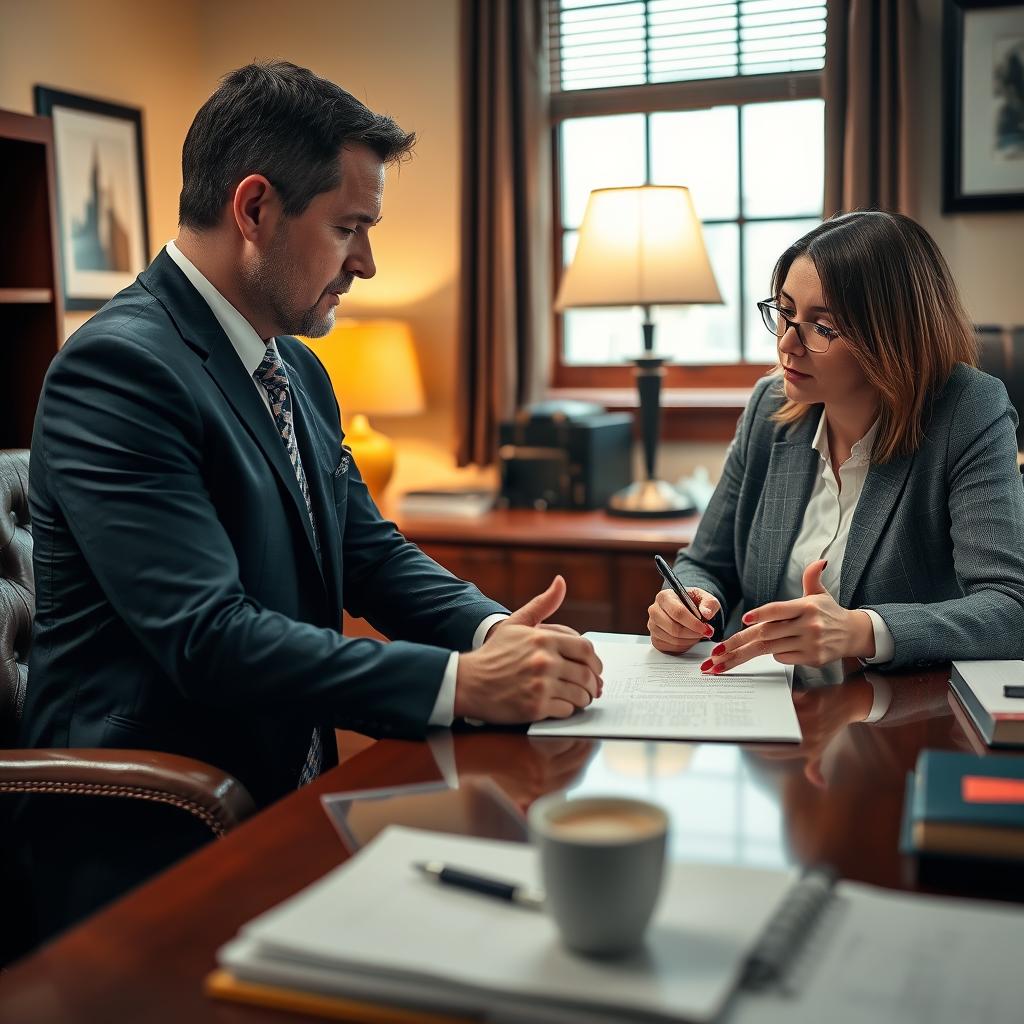
Estate Planning Lawyer Fairfax
For individuals and families in Fairfax, Virginia, thoughtful estate planning can provide clarity and reassurance. Law Offices Of SRIS, P.C., founded in 1997, assists clients with wills, trusts, powers of attorney, and related instruments designed to protect assets and carry out personal wishes. The firm’s attorneys understand the nuances of Virginia’s probate and trust laws and the way they apply in Fairfax County. Many clients come to us after a change in their family, a health concern, or the simple recognition that they have not yet formalized their plans. Mr. Sris and the firm’s Of Counsel attorneys work alongside each client to develop an estate-planning strategy tailored to the client’s situation. To discuss your goals, reach Law Offices Of SRIS, P.C. at (888) 437-7747. Law Offices Of SRIS, P.C. – Advocacy Without Borders.
What Estate Planning Means in Fairfax, Virginia
Estate planning in Fairfax County involves arranging for the management and distribution of your property during your lifetime and after your passing. The process often includes drafting a last will and testament, establishing a revocable living trust, creating advance medical directives, and appointing agents under durable powers of attorney. Virginia law provides a framework—found primarily in Title 64.2 of the Virginia Code—that governs probate, trusts, guardianship, and fiduciary administration. The Fairfax Circuit Court has jurisdiction over probate matters in the county, and the clerk’s office administers the filing of wills and the qualification of executors or administrators.
Because Fairfax is home to a diverse population, many clients also need to address issues such as appointing guardians for minor children, planning for businesses they own, or managing assets that cross state lines. A well-structured estate plan can minimize administrative burdens and help families avoid unnecessary litigation. Mr. Sris and the firm’s Of Counsel attorneys can guide clients through the available tools while explaining how Virginia’s statutory requirements affect each component. Whether you are starting from scratch or revising an older plan, working with an experienced estate planning lawyer in Fairfax can help you protect what matters most.
How Mr. Sris and the Firm’s Of Counsel Attorneys Handle Estate Planning Cases
When a client contacts Law Offices Of SRIS, P.C. about estate planning, the process typically begins with a confidential consultation. During that meeting, the attorney listens to the client’s objectives, reviews the composition of the client’s assets, and discusses family dynamics that may affect the plan. From there, the firm prepares the documents needed to carry out the client’s instructions—wills, trusts, powers of attorney, and any beneficiary designations that align with the overall strategy. The goal is to create clear, enforceable documents that reflect Virginia law and the specific instructions of the client.
For clients who need more sophisticated structures, such as special-needs trusts or charitable planning, the firm draws on its experience with estate tax considerations and fiduciary appointments. After the documents are signed, the firm advises on how to properly fund trusts and update asset titles. While Mr. Sris and the firm’s Of Counsel attorneys do not provide tax or financial advice, they work alongside the client’s other professional advisors to coordinate the plan. Throughout the engagement, the firm remains available to answer questions and, when the time comes, to assist with probate administration for the client’s estate in the Fairfax Circuit Court.
About Mr. Sris and the Firm’s Of Counsel Attorneys
Mr. Sris, Owner and Founder of Law Offices Of SRIS, P.C., has practiced law since 1997. He is admitted in Virginia, Maryland, the District of Columbia, New Jersey, and New York. Mr. Sris testified before the Virginia House Courts of Justice Committee in support of 2019 HB 635 (chief patron Del. David Bulova). His experience includes representing individuals and families in estate-planning matters, probate litigation, and trust administration throughout the Commonwealth.
The firm’s Of Counsel attorneys bring a range of legal backgrounds that complement Mr. Sris’s practice. These independent attorneys assist clients with estate plan drafting, elder-law considerations, and related matters. Together, they work to make the planning process approachable for clients in Fairfax and beyond. To learn more about how the firm can help, call (888) 437-7747.
Frequently Asked Questions
What does an estate planning lawyer in Fairfax do?
An estate planning lawyer in Fairfax helps clients create legal documents—such as wills, trusts, powers of attorney, and advance medical directives—that govern the management and distribution of their assets and personal decisions during life and after death. The lawyer explains Virginia’s probate and trust laws, assists with naming guardians for minor children, and coordinates beneficiary designations. In Fairfax, where many estates involve real property and financial accounts, a lawyer can also help clients structure a plan that avoids unnecessary court proceedings and minimizes administrative burdens.
Do I need a lawyer for a will in Fairfax County?
Virginia law does not require you to hire a lawyer to make a will, but working with an experienced estate planning lawyer can help ensure the document is properly executed and meets statutory requirements. A self-made will that omits required formalities or uses ambiguous language can lead to will contests or partial invalidity. An attorney can also advise on whether a trust or other tools might better accomplish your goals. In Fairfax County, where estates can be complex, professional guidance can reduce the likelihood of disputes and protect your intended beneficiaries.
How does probate work in Fairfax, Virginia?
Probate is the court-supervised process of validating a will, appointing an executor or administrator, and settling an estate under the jurisdiction of the Fairfax Circuit Court. The court reviews the will (if one exists), oversees the inventory and appraisal of assets, pays debts and taxes, and distributes the remainder to heirs or beneficiaries. The timeline varies depending on the estate’s complexity and the court’s calendar. Mr. Sris and the firm’s Of Counsel attorneys can assist executors and administrators with the required filings and help families navigate the probate process efficiently.
What is a living trust, and should I consider one?
A living trust is a legal arrangement in which you transfer assets to a trustee to manage for your benefit during your lifetime and for your beneficiaries after your death. Unlike a will, a trust generally avoids probate when properly funded, which can provide privacy and administrative convenience. Whether a living trust is suitable depends on factors such as the types of assets you own, your family situation, and your estate-planning goals. An experienced estate planning lawyer in Fairfax can explain the advantages and limitations and help you decide if a trust fits your overall plan.
What happens if I die without a will in Virginia?
If you die without a will in Virginia, state intestacy laws determine how your assets are distributed, which may not align with your personal wishes. Generally, the court appoints an administrator to manage the estate, and the assets pass to your closest relatives under a statutory formula. For a married person with children, the distribution can be divided between the spouse and the children, which may create complications. By creating a will, you can specify your chosen beneficiaries and name a guardian for minor children, giving you more control over your legacy.
Can an estate planning lawyer help with special-needs trusts?
Yes, Law Offices Of SRIS, P.C. can assist with establishing a special-needs trust designed to provide for a disabled beneficiary without jeopardizing eligibility for government benefits such as Medicaid or Supplemental Security Income. These trusts must comply with specific Virginia and federal rules regarding permissible distributions. The firm works with families to structure a trust that protects the beneficiary’s quality of life while preserving public assistance. To discuss your particular situation, contact us at (888) 437-7747.
Additional resources and related information:
Official Virginia legal and regulatory information:
- Virginia Code Title 64.2 (Wills, Trusts, and Estates)
- Virginia Judicial System – Fairfax Circuit Court
- Virginia Judicial System – Probate Filing Information
Attorney advertising. Prior results do not guarantee a similar outcome.
Results may vary. Case results depend on a variety of factors unique to each case.
Attorney responsible for this advertising: Mr. Sris.